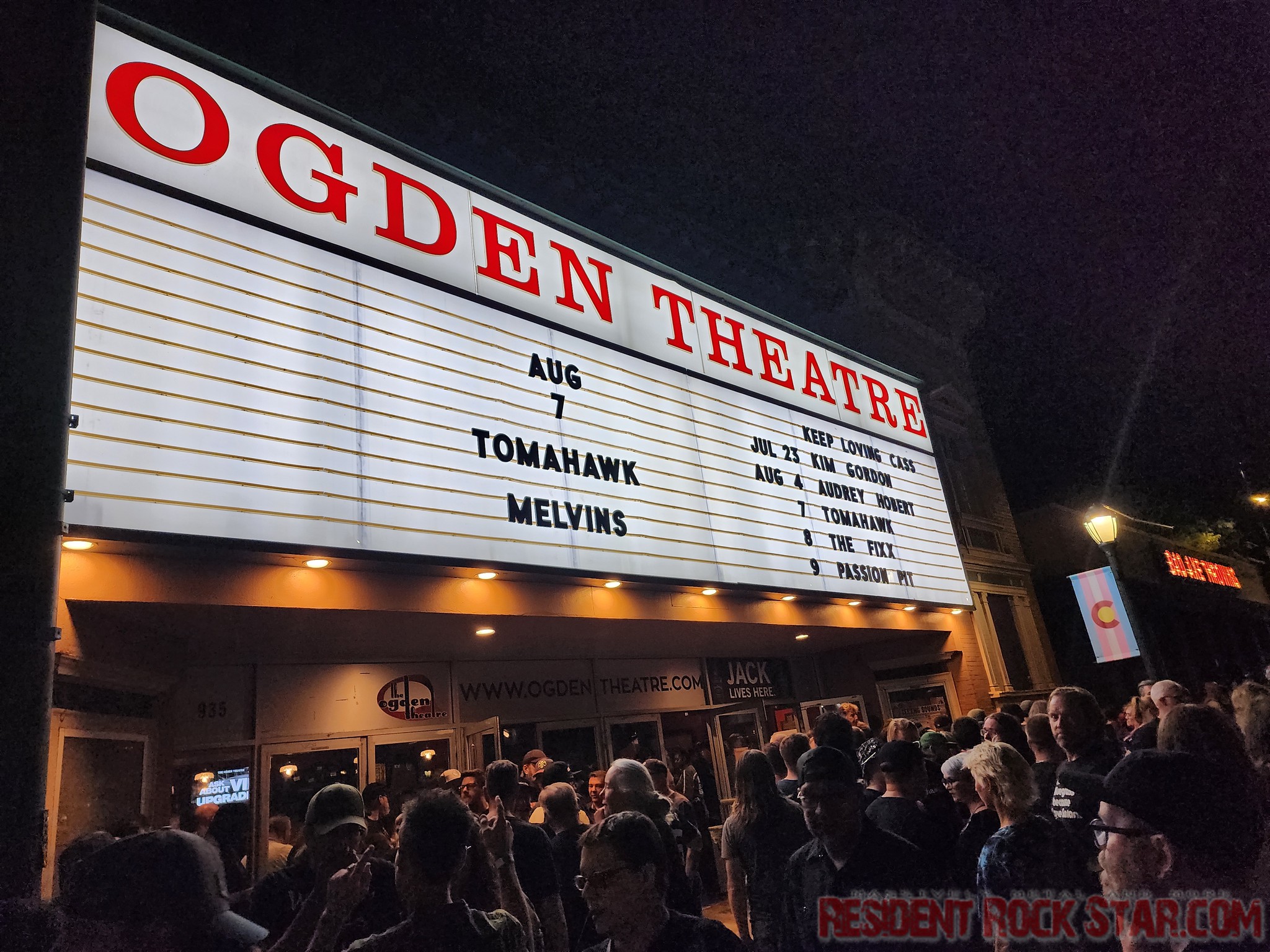
As summer’s final nights faded in Denver, the Ogden Theatre became the setting for an unforgettable celebration of experimental rock. On August 7th, two legendary bands—Tomahawk and The Melvins—joined forces for a long-awaited co-headlining performance, delivering a high-energy spectacle that perfectly captured the season’s intensity.
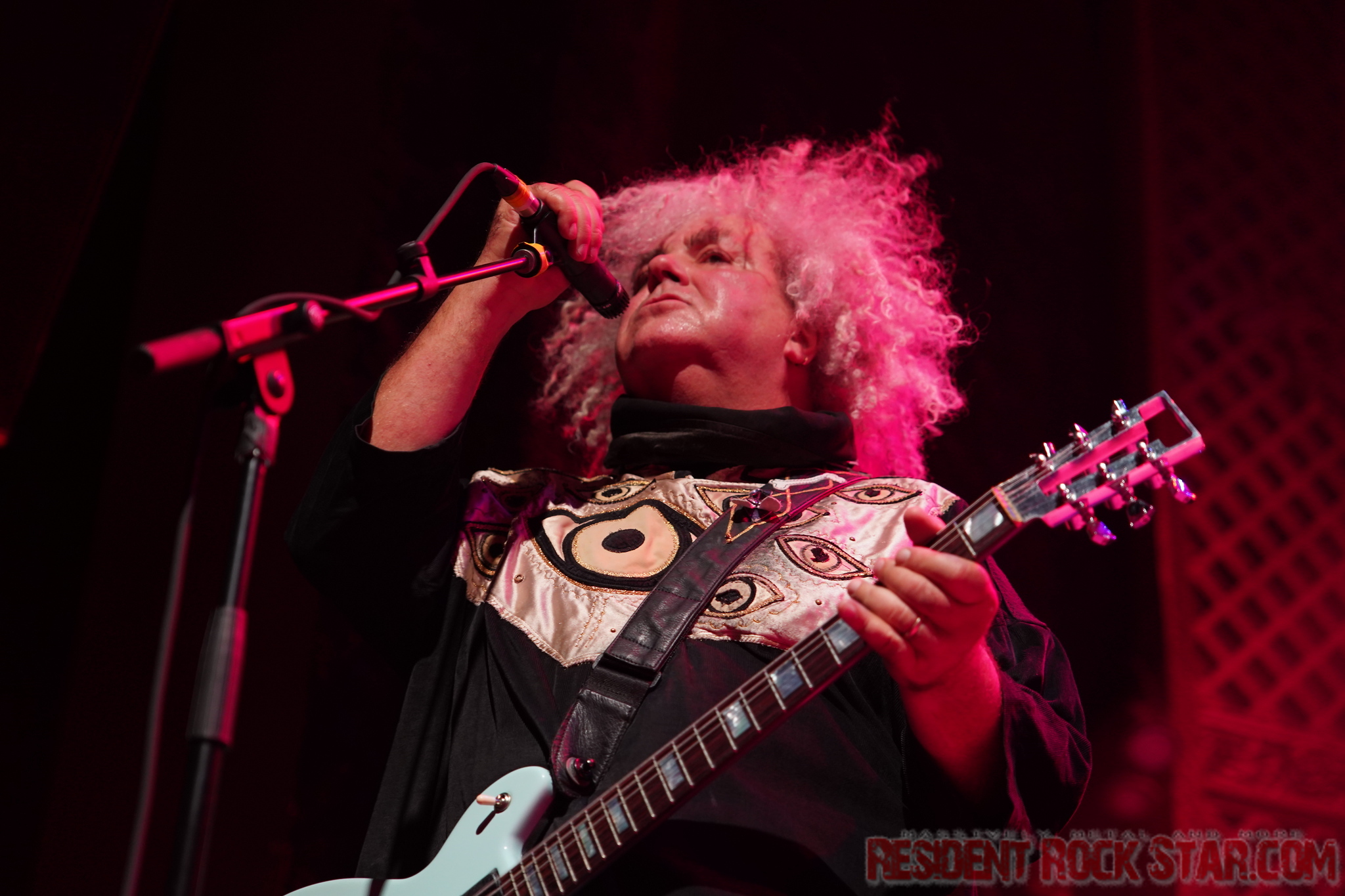
The evening began in surreal fashion. As the stage lights dimmed, a masked figure coaxed eerie melodies from a Theremin, immediately setting a tone of anticipation and intrigue. The Melvins soon took the spotlight, each member making a memorable entrance: bassist Steven McDonald in a crisp white suit, King Buzzo adorned in his signature eyeball-covered tunic, and drummers Dale Crover and Coady Willis poised behind their dual kits. The band’s set was nothing short of masterful—tight, dynamic, and executed with the precision of seasoned virtuosos. Their chemistry and professionalism, built over decades, left the audience captivated.
As the Melvins wrapped up their flawless set, anticipation mounted for the arrival of Tomahawk. The venue swelled to capacity, and when Tomahawk finally took the stage, the crowd erupted. Mike Patton, charismatic and ever stylish, commanded instant attention. Backed by Duane Denison on guitar, John Stanier on drums, and Trevor Dunn on bass, Patton led his ensemble through an electrifying and nuanced performance, reaffirming his reputation as one of rock’s most compelling frontmen.
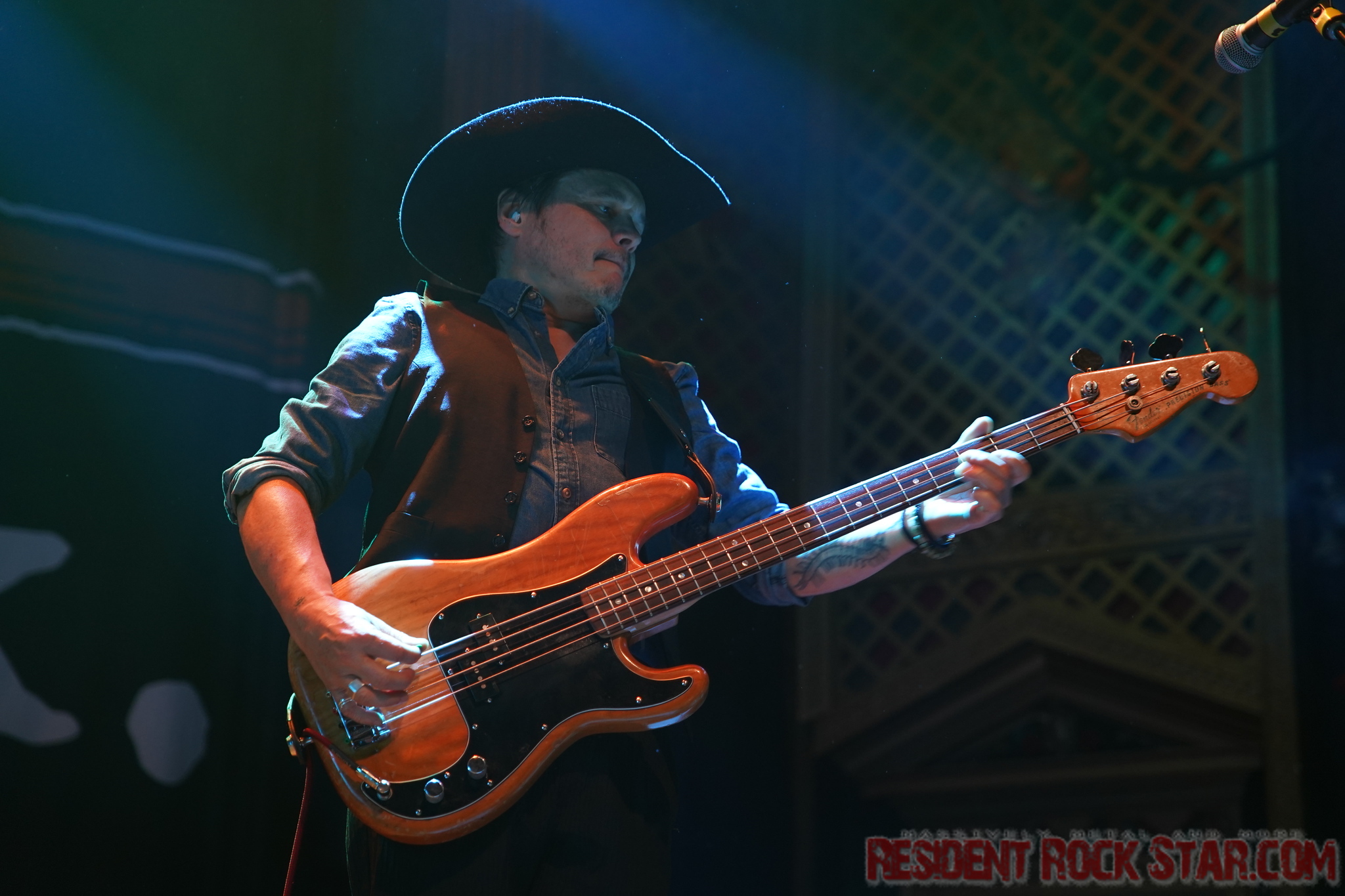
Tomahawk’s setlist featured a selection of their most memorable tracks, including “Howlie,” “Predators,” “Business,” “South Paw,” “Doomsday,” “Flash Back,” “I.O.U.,” “Fatback,” “Birdsong,” “Rape This Day,” “Laredo,” “Coward,” “Sidewinder,” and “Point & Click.” Each was delivered with the band’s signature intensity and precision, keeping the audience enthralled.
Yet, the true essence of Tomahawk’s performance lay in Patton’s unique stage setup—a DJ table equipped with a CB microphone, samplers, and effects units. Throughout the night, Patton manipulated these devices to create a dizzying array of sounds, from distorted screams to haunting whispers, transforming his voice into a multi-dimensional instrument. He switched between vintage microphones and handheld radios, layering his vocals with reverb, delay, and pitch-shifting effects, often mid-song. At times, he triggered samples or tapped out rhythms, adding an electronic edge to Tomahawk’s already adventurous sound.
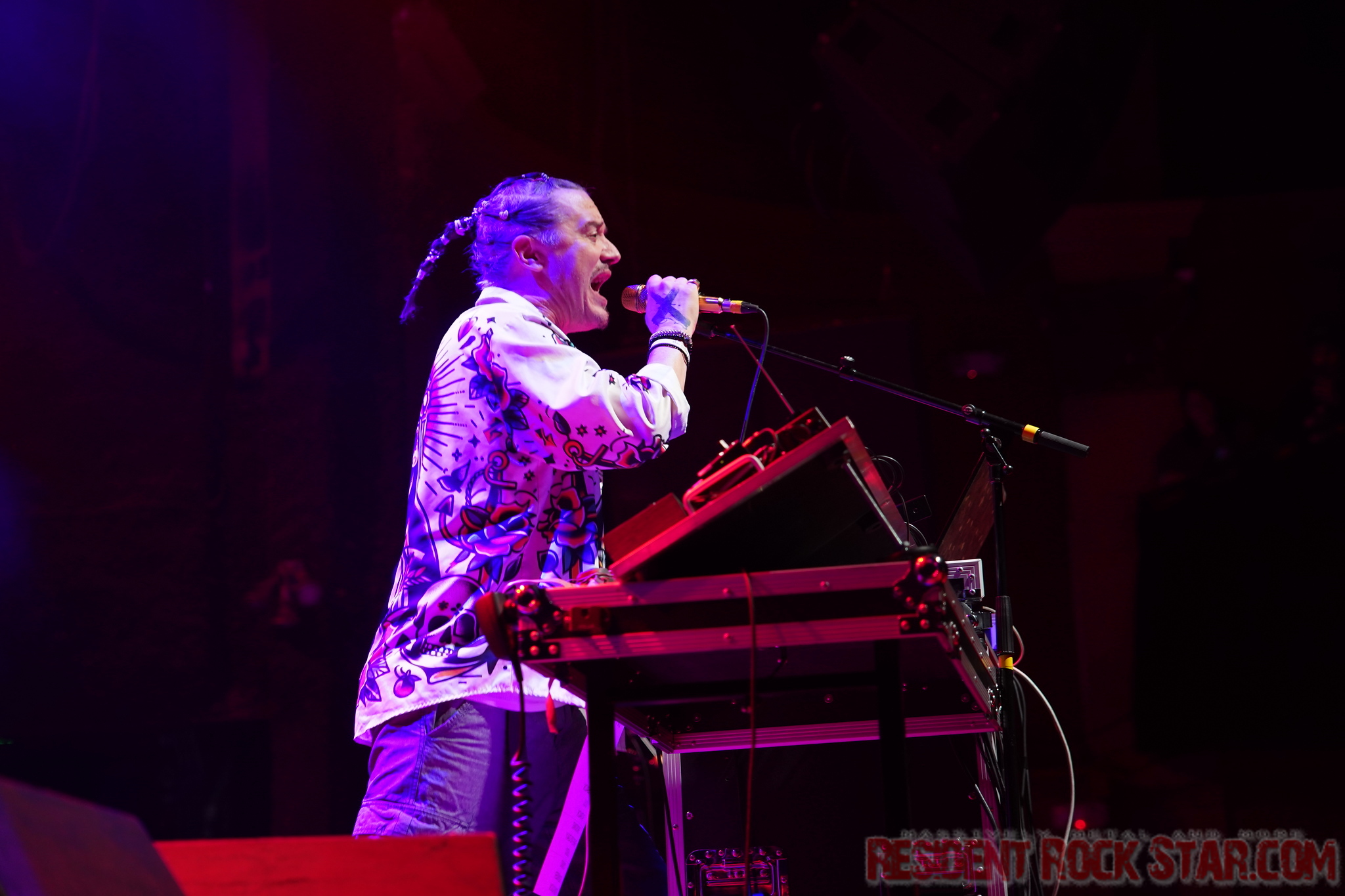
Songs like “Flash Back” and “Birdsong” showcased Patton’s ability to alternate between rich baritone crooning and guttural outbursts, seamlessly blending organic and synthetic tones. During “Rape This Day,” he unleashed a barrage of vocal loops and processed screams, pushing the boundaries of what a frontman can achieve live. The band matched his intensity and precision, resulting in a performance that felt both tightly rehearsed and spontaneously inventive.
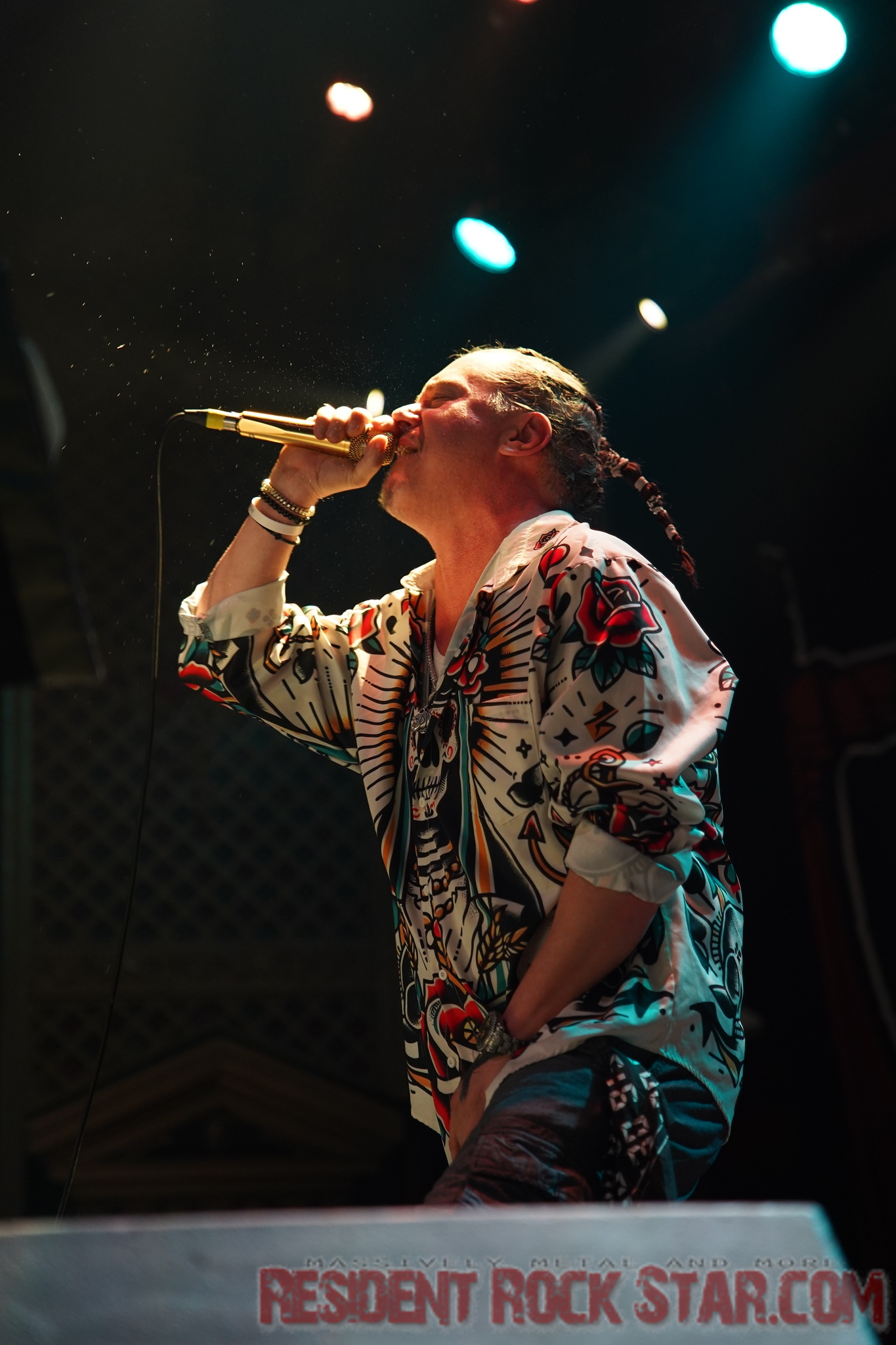
Patton’s engagement with his gear was as theatrical as it was technical. He played to the audience with exaggerated gestures, manipulating his table as if conjuring sounds from thin air. His presence elevated the concert into a multimedia experience, blurring the line between live performance and experimental sound art. The crowd was enthralled, witnessing Patton bend the very fabric of the music to his will.
The night culminated in a powerful encore of “God Hates a Coward.” Patton’s flawless vocal performance left fans thoroughly satisfied. More than just a reunion, Tomahawk’s performance was a masterclass in creative risk-taking, anchored by Patton’s mechanical music magic and the band’s collective virtuosity.
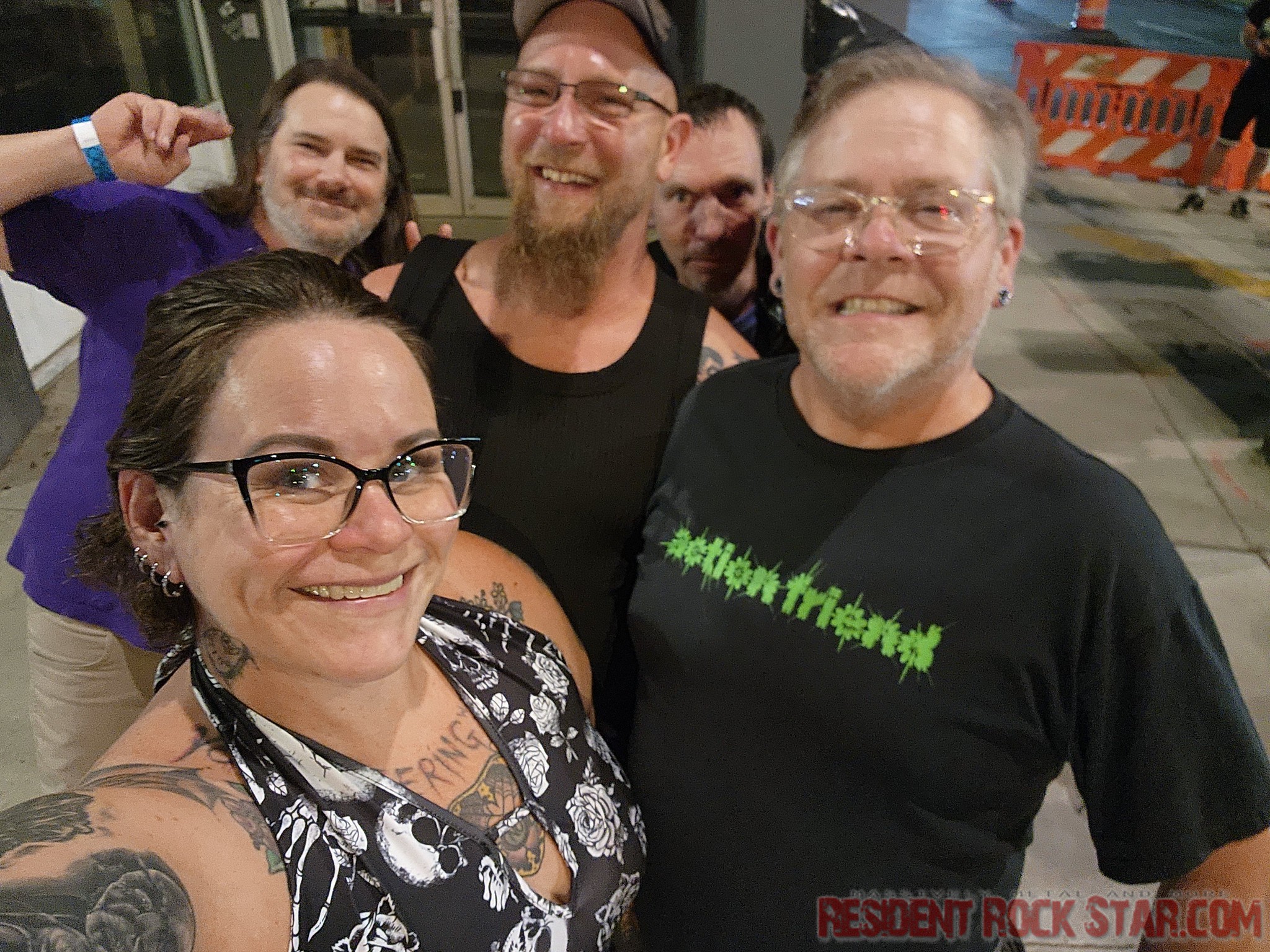
Beyond the music, the show was a testament to the deep mutual admiration between artists and their audience. I believe Patton said it best, “This is something I’m good at”—and indeed, he is. The return of Tomahawk and The Melvins to the spotlight was not only a celebration of their storied careers, but also a powerful reminder of the enduring impact of live music. Welcome back, Mike Patton; from one artist to another, thank you.
Amy Asche